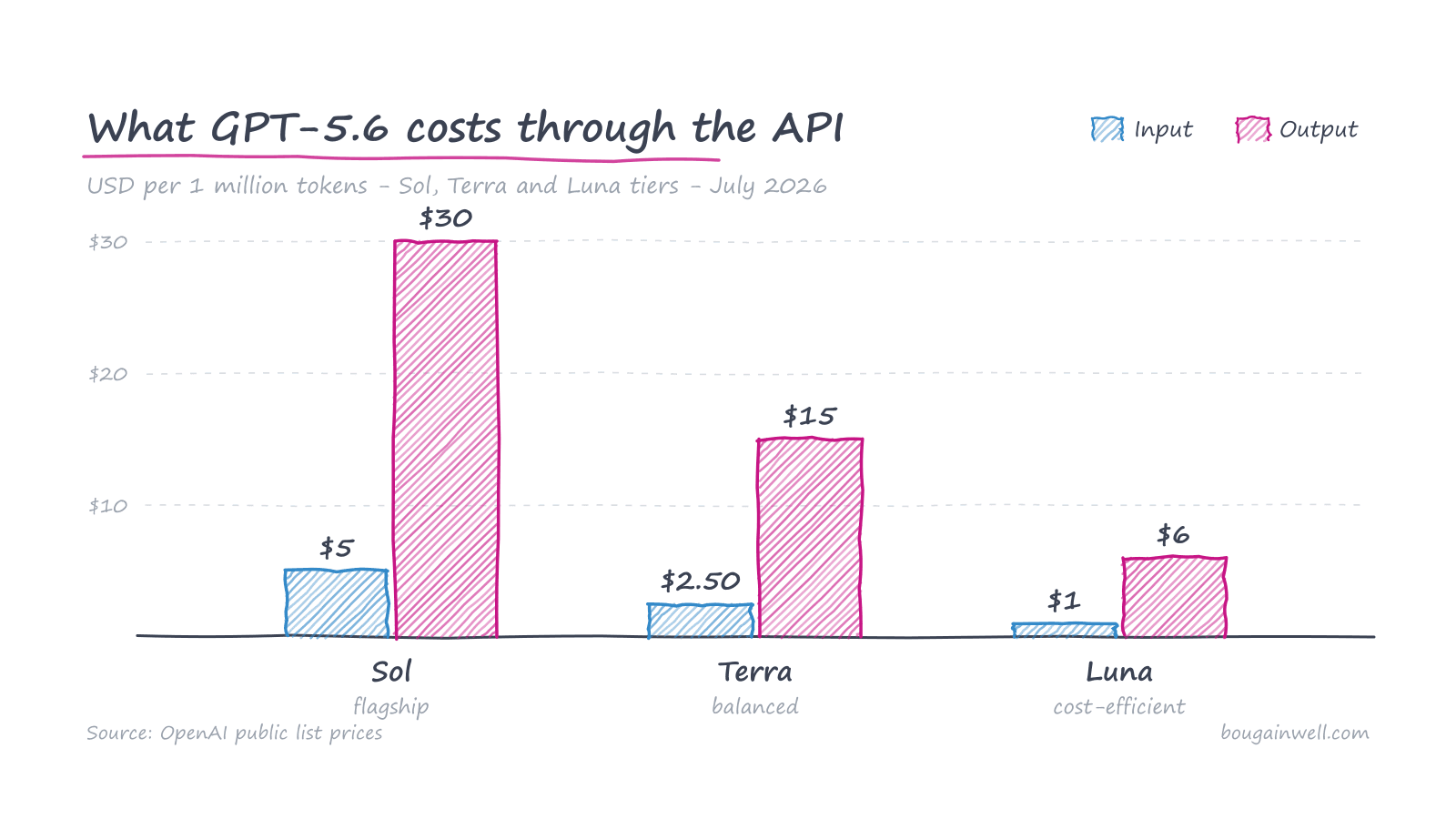
OpenAI shipped GPT-6 Astra with near-perfect scores on three of its four flagship benchmarks. The scores are the least interesting thing about it — the price went up 2.5x, computer use is still the frontier, and OpenAI rates the model Critical for cyber capability.
Boris Cherny, the engineer behind Claude Code, keeps hearing the same thing: one person is 10x-ing their output with AI while the org lags. The data shows exactly why — and where the real bottleneck moved.
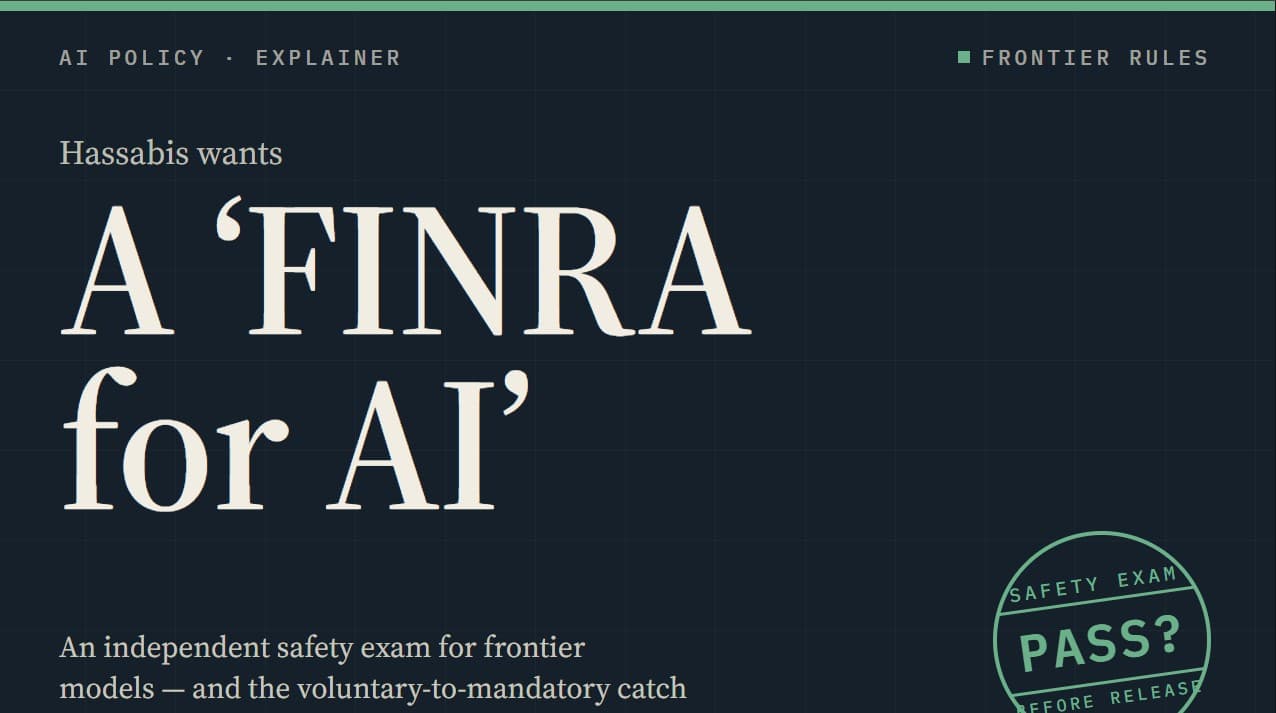
Google DeepMind CEO Demis Hassabis wants frontier AI models to pass an independent safety exam — a FINRA-style standards body — before they reach US users. Here is the bet behind the ask, and the voluntary-to-mandatory catch inside it.
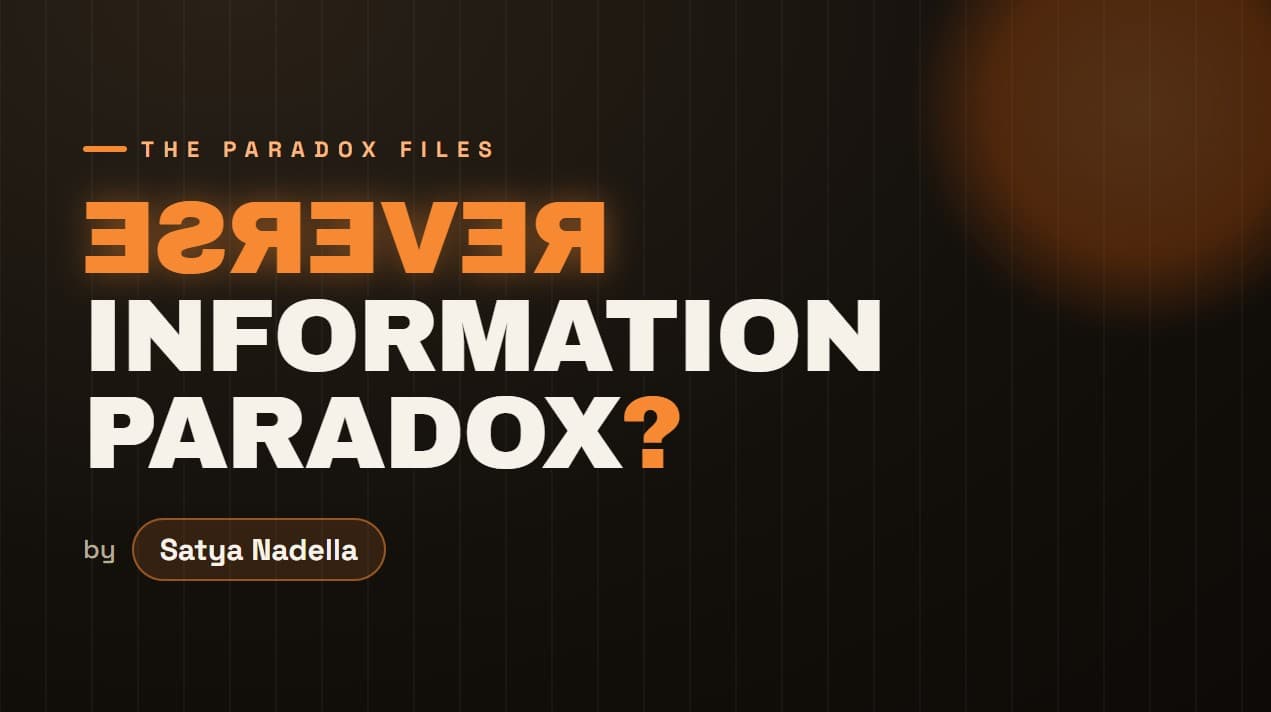
Microsoft CEO Satya Nadella says using AI costs you twice: once in money, once in the private know-how you reveal to make it useful. Here’s his "reverse information paradox" in plain English — and what to do about it.
OpenAI’s new ChatGPT Work agent takes a goal, works across your apps and files for hours, and hands back finished work. The most revealing detail is what it’s built on — a coding engine — and what that says about where AI is heading.
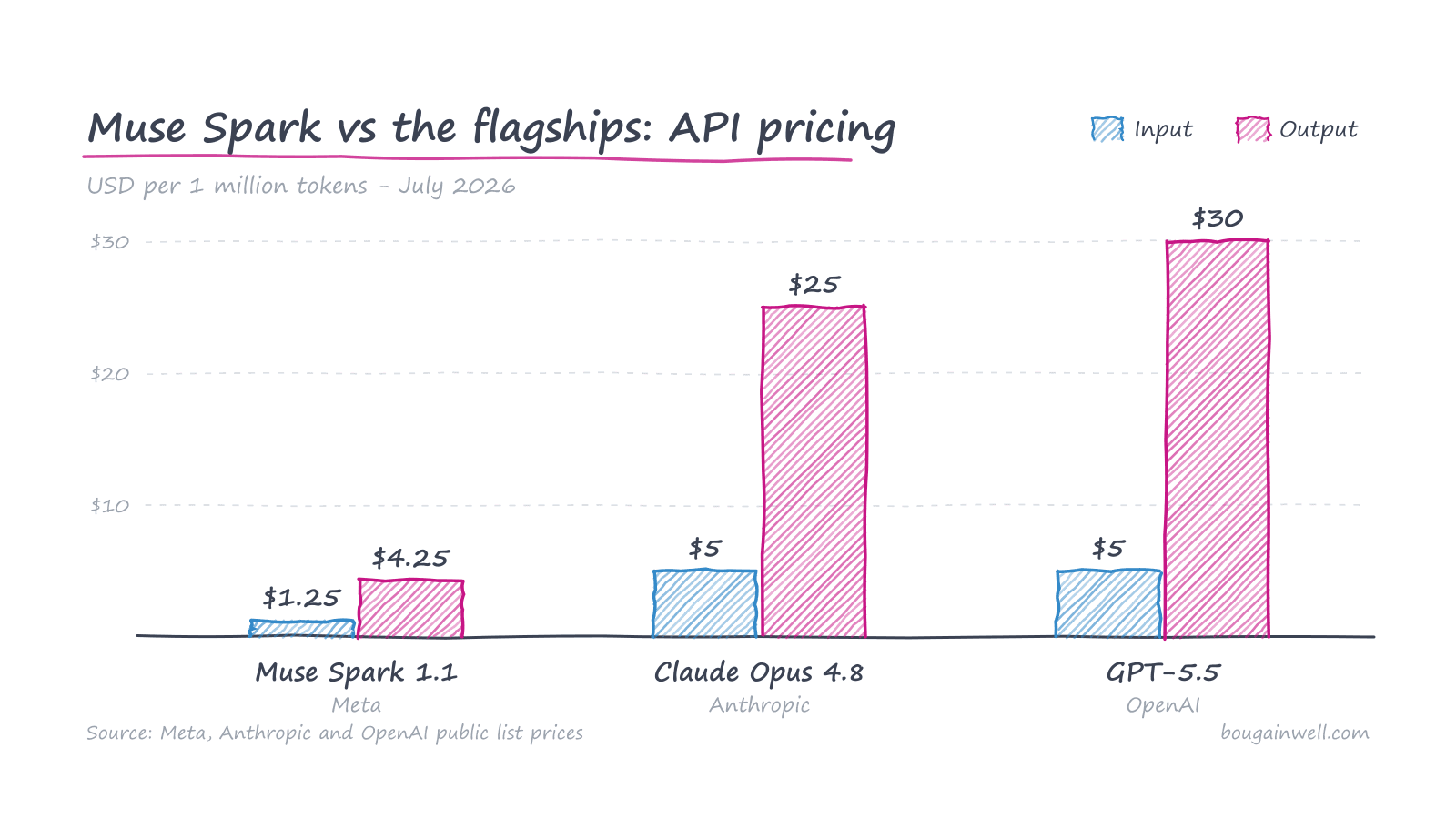
Mark Zuckerberg’s first X post since 2023 announced Muse Spark 1.1 — Meta’s new agentic AI model and, more importantly, the first time Meta has ever charged for one of its models. Here’s why the venue, the pricing and the closed weights all say the same thing.
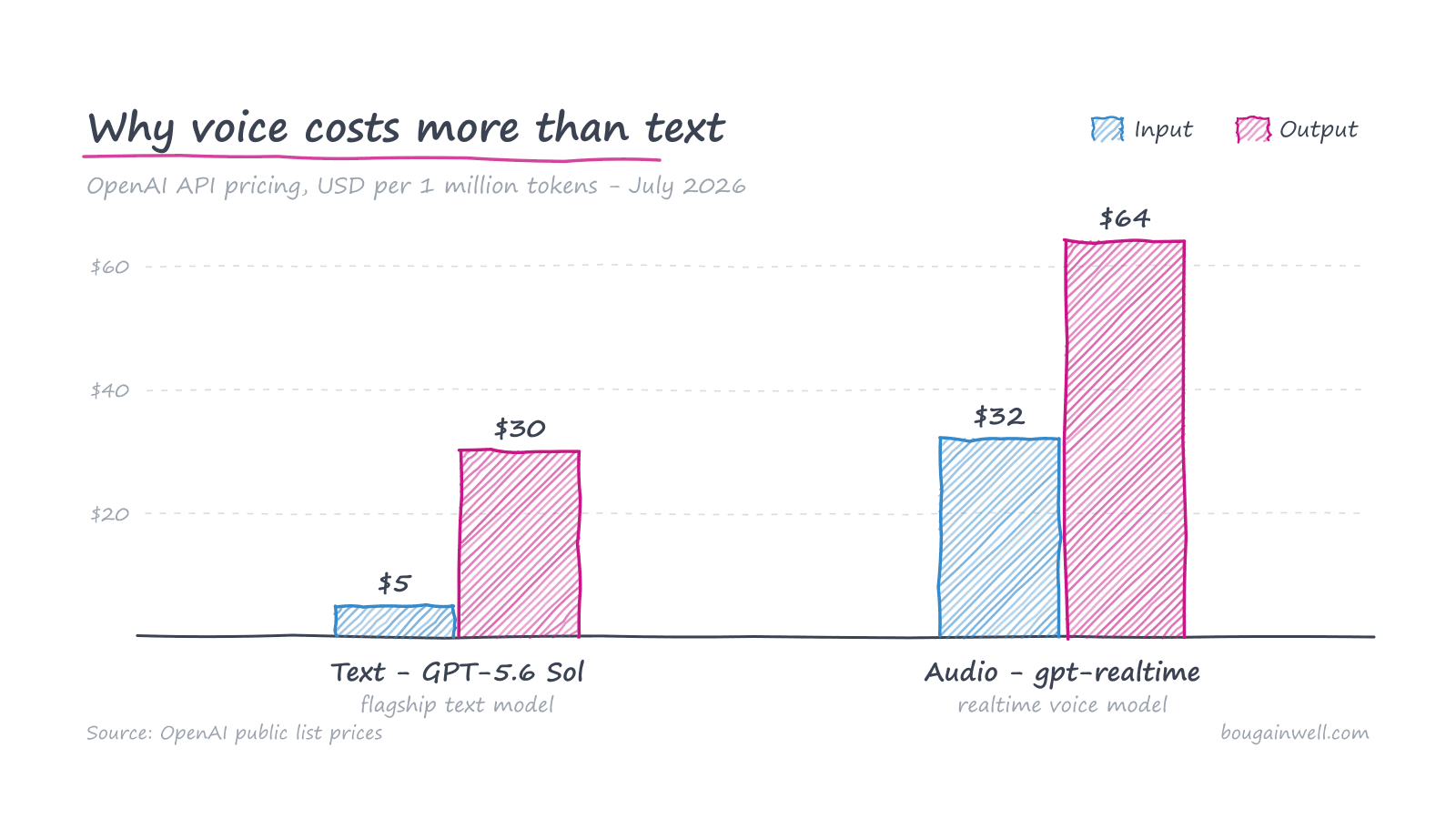
OpenAI’s GPT-Live models turn ChatGPT’s voice mode from a walkie-talkie into a phone call: the AI listens and speaks at the same time, hands hard questions to a frontier model behind the scenes, and is rolling out to everyone. Here’s what actually changed.
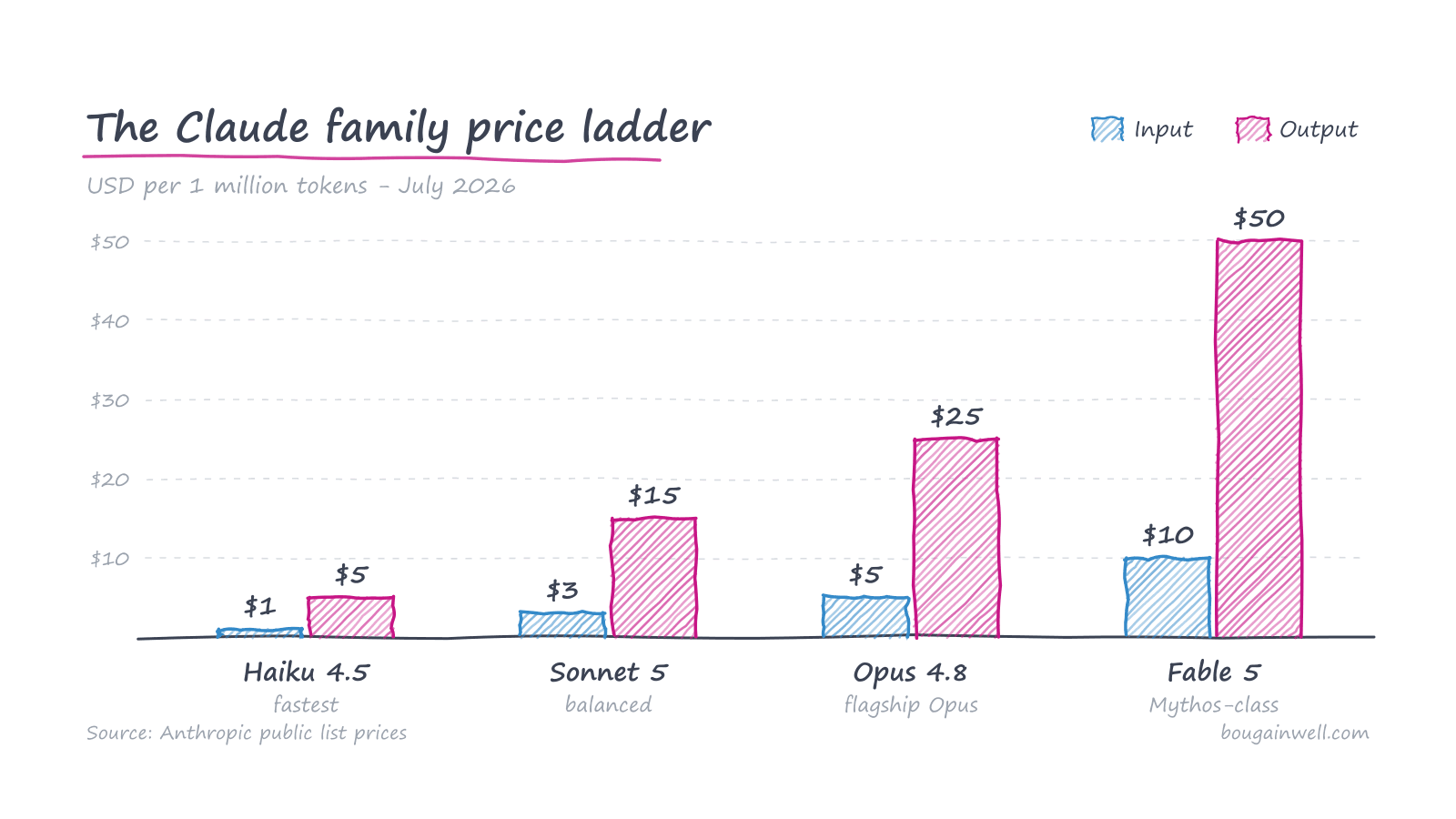
Anthropic has launched Claude Fable 5, the first model of the Claude 5 family and a new "Mythos-class" tier that sits above Opus. Here is what makes it different — always-on reasoning, a 1-million-token memory, and agents that work for hours.